
Emerging EB Business Insights
Rising Health Plan Costs Are Reshaping Small Business Benefits
JULY 7, 2026
Rising healthcare costs are making it difficult for employers to offer affordable, competitive benefits. While many brokers suggest raising copays and deductibles to offset higher health insurance costs, that strategy only addresses rising premiums and overlooks the impact on employees. Smaller businesses that are already struggling to hire and retain workers need to find a sustainable way to control health plan costs.
To reduce costs without impacting benefits, USI Insurance Services often recommends level funding — a self-funded strategy that allows employers with a better-than-average claims history to pay a fixed monthly premium to the insurance company for claims administration and payment. Plans that run better than expected may see additional savings from a return on premium.
Employers often see savings up front by switching from a fully insured health plan to a level-funded one. While not all employers are ready or even eligible for a level-funded plan, even those that have an average claims history or a few claims may still find savings by adjusting the plan design.
Switching to a High-Deductible Health Plan Can Reduce Costs
Many fully insured employers switch from a traditional preferred provider organization (PPO) or low-deductible plan to a high-deductible health plan (HDHP) to reduce their benefits spending. This transfers the cost of risk to the employees, who pay for more healthcare expenses out of pocket (OOP) before insurance pays its share. For employers looking to spend less on benefits, switching from a traditional PPO to an HDHP can reduce fixed insurance costs by 25% to 30%.
While this can reduce health plan costs for employers, employees who are used to a gold-level plan — featuring a higher premium in exchange for a lower cost of service — may not be thrilled to be responsible for OOP expenses, and may decide to seek employment elsewhere. Employers that want to switch to an HDHP should look at including a health reimbursement arrangement (HRA) to maintain employees’ benefits experience while still reducing health plan spending.
Help Employees Maintain Their Benefits Experience
An HRA is an employer-funded account that helps employees cover their OOP expenses under an HDHP. Unlike a health savings account (HSA), with an HRA, any unused funds are returned to the employer at the end of the plan year. Employers may then choose whether to roll over HRA funds and, if so, how much.
Employers may be skeptical about funding HRA accounts up front. However, USI has found that 75% of plan members incur $4,000 or less in claims expenses. Many employers that choose to switch to an HDHP apply the premium savings to the HRA. With unused funds, employers can see a total reduction of 5% to 10%.
How does adding an HRA to a high-deductible health plan save employers at renewal?
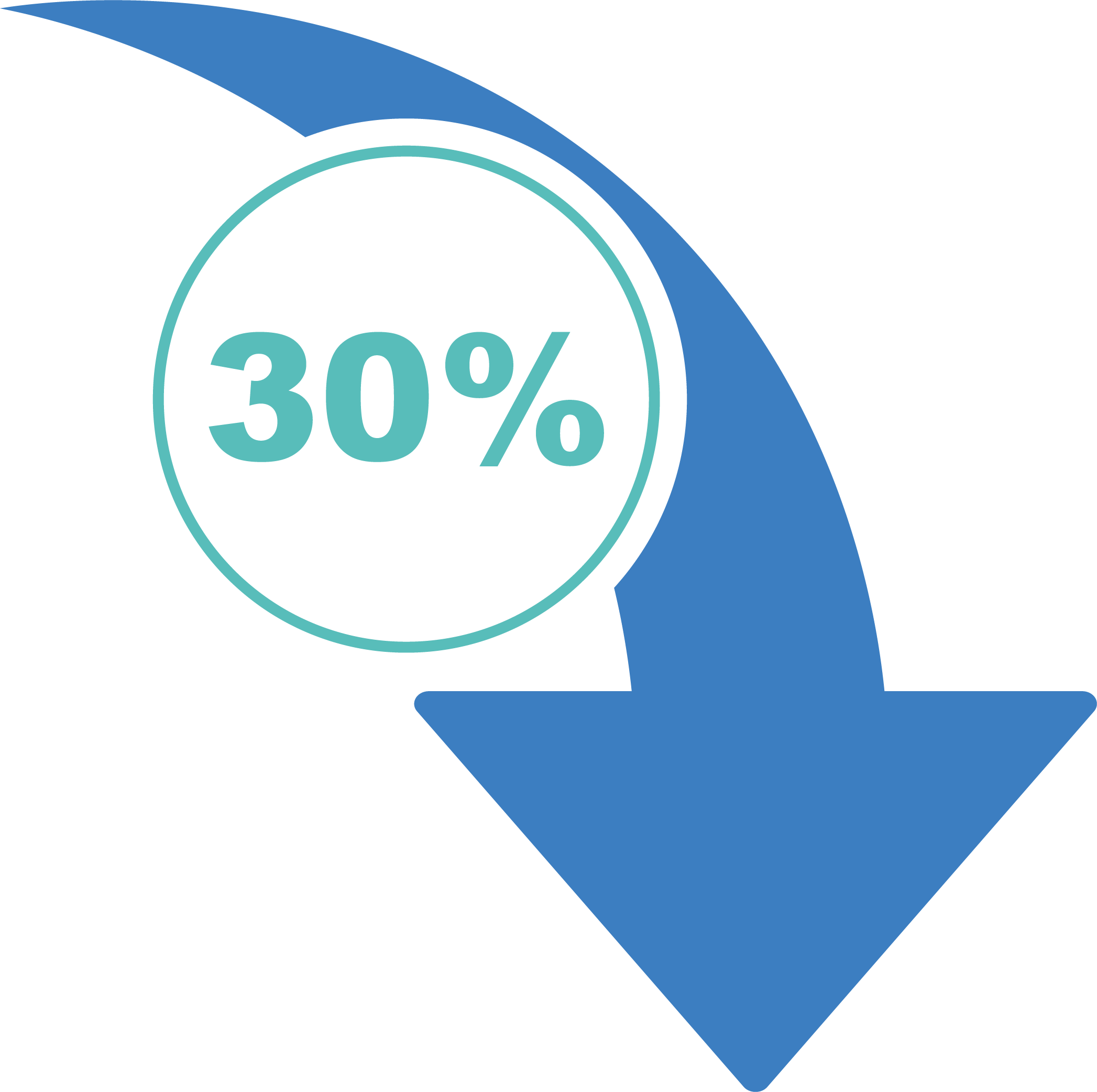 |
|
Employer saves |
 |
|
Employer uses premium |
 |
|
HRA reimburses |
 |
|
Unused HRA funds are |
How USI Can Help
USI helps small business employers understand the “why” behind rising health plan costs. Through claims analysis and risk insights, we provide a clearer view of underlying cost drivers — so employers can evaluate plan design and funding options that support both financial sustainability and employee needs.
Reduce health plan spending without sacrificing the benefits you need to remain competitive. Contact your local USI benefits consultant or email ebsolutions@usi.com to learn more about these and other solutions designed to better manage health plan spending.
SUBSCRIBE
Get USI insights delivered to your inbox monthly.
